/上越市雪中貯蔵施設 ユキノハコ 2021
循環の重なり合いをかたちにする
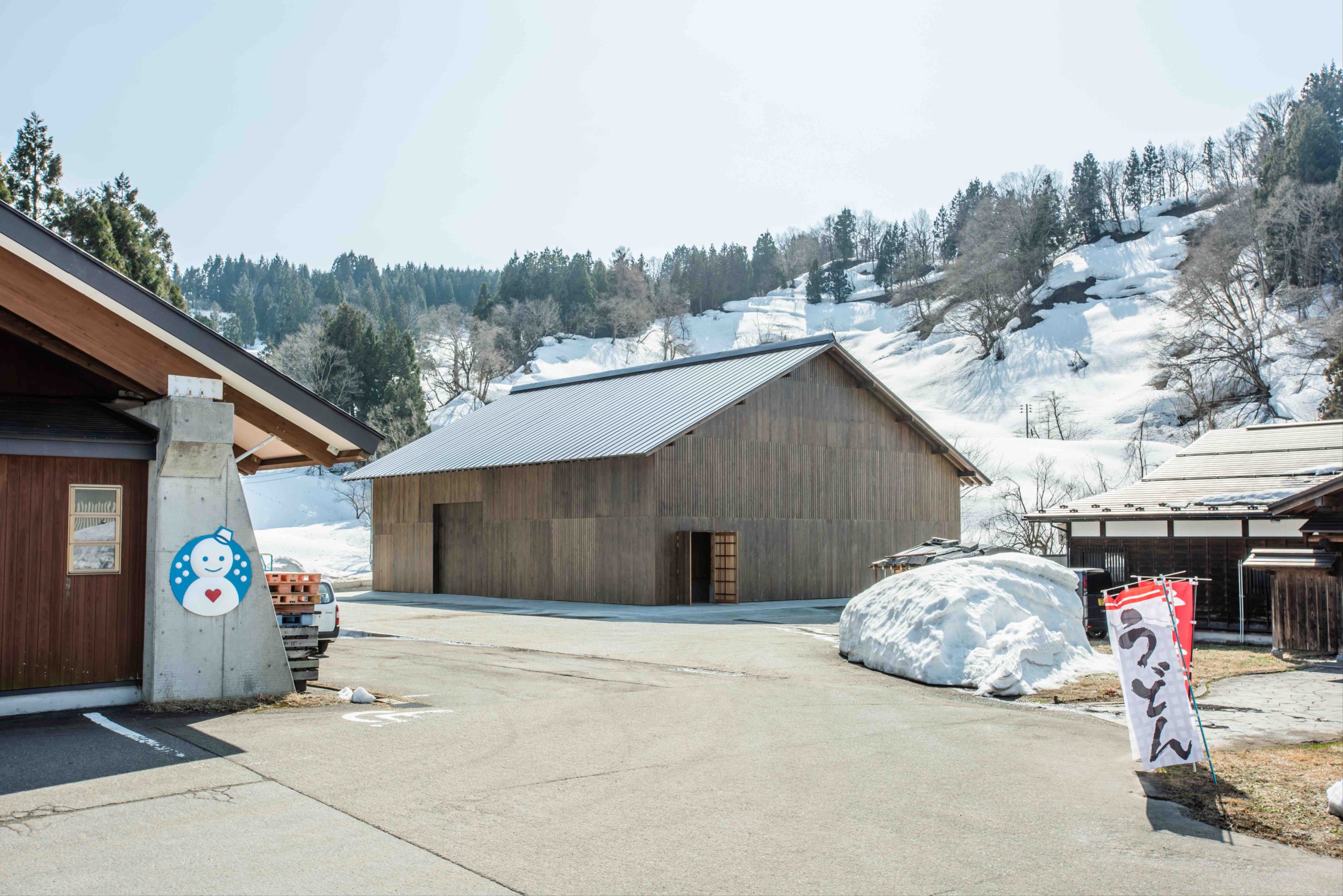
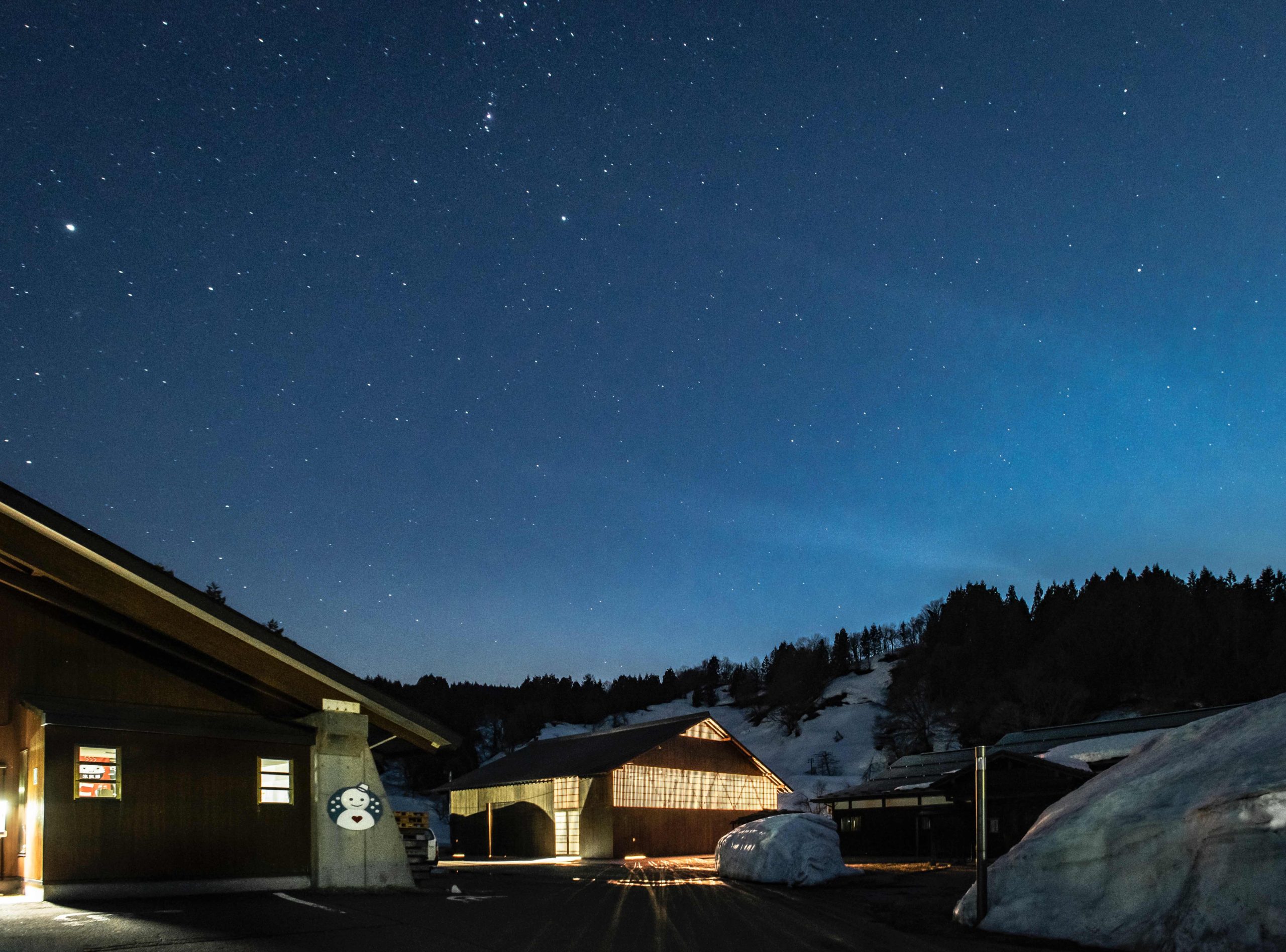
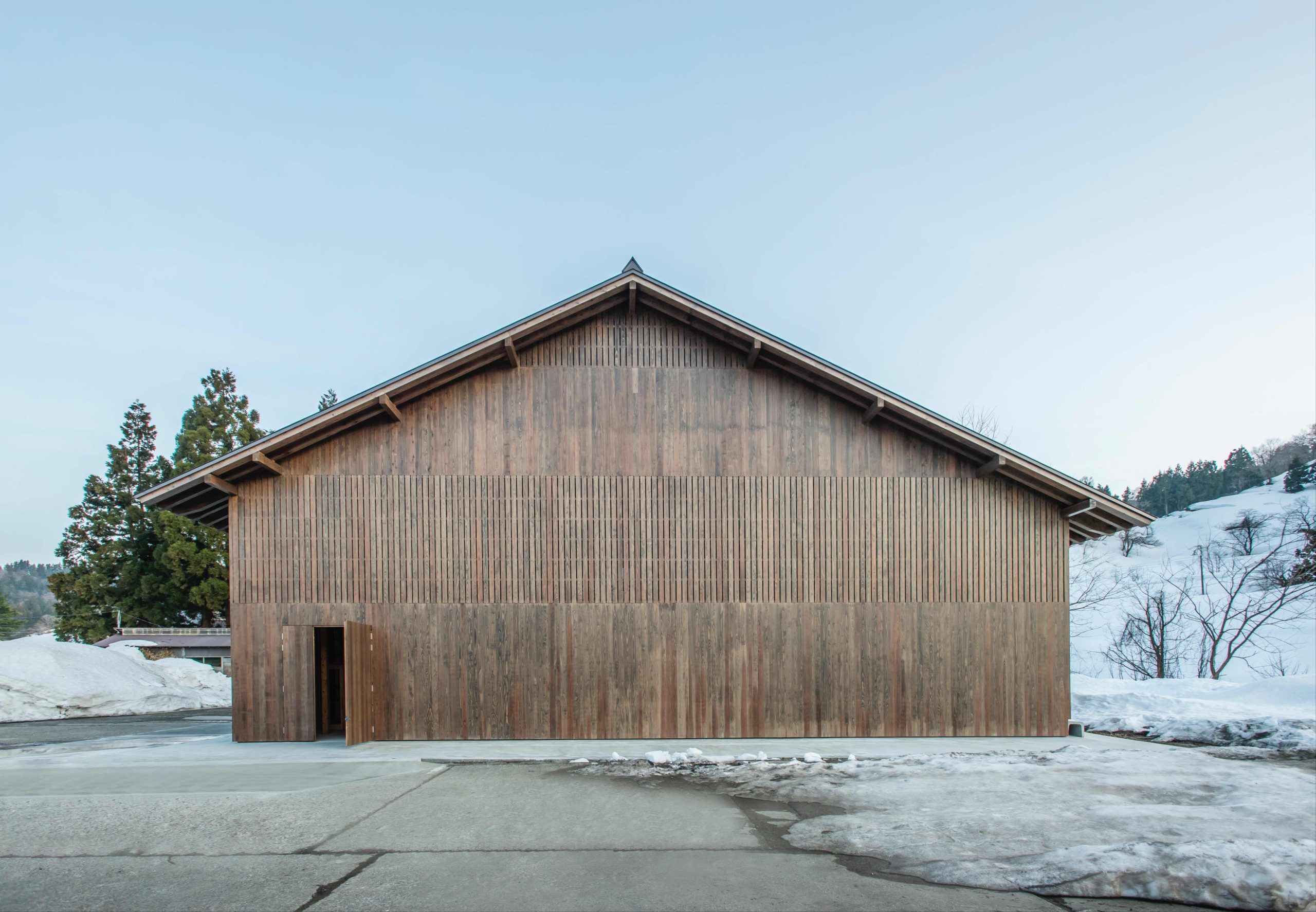
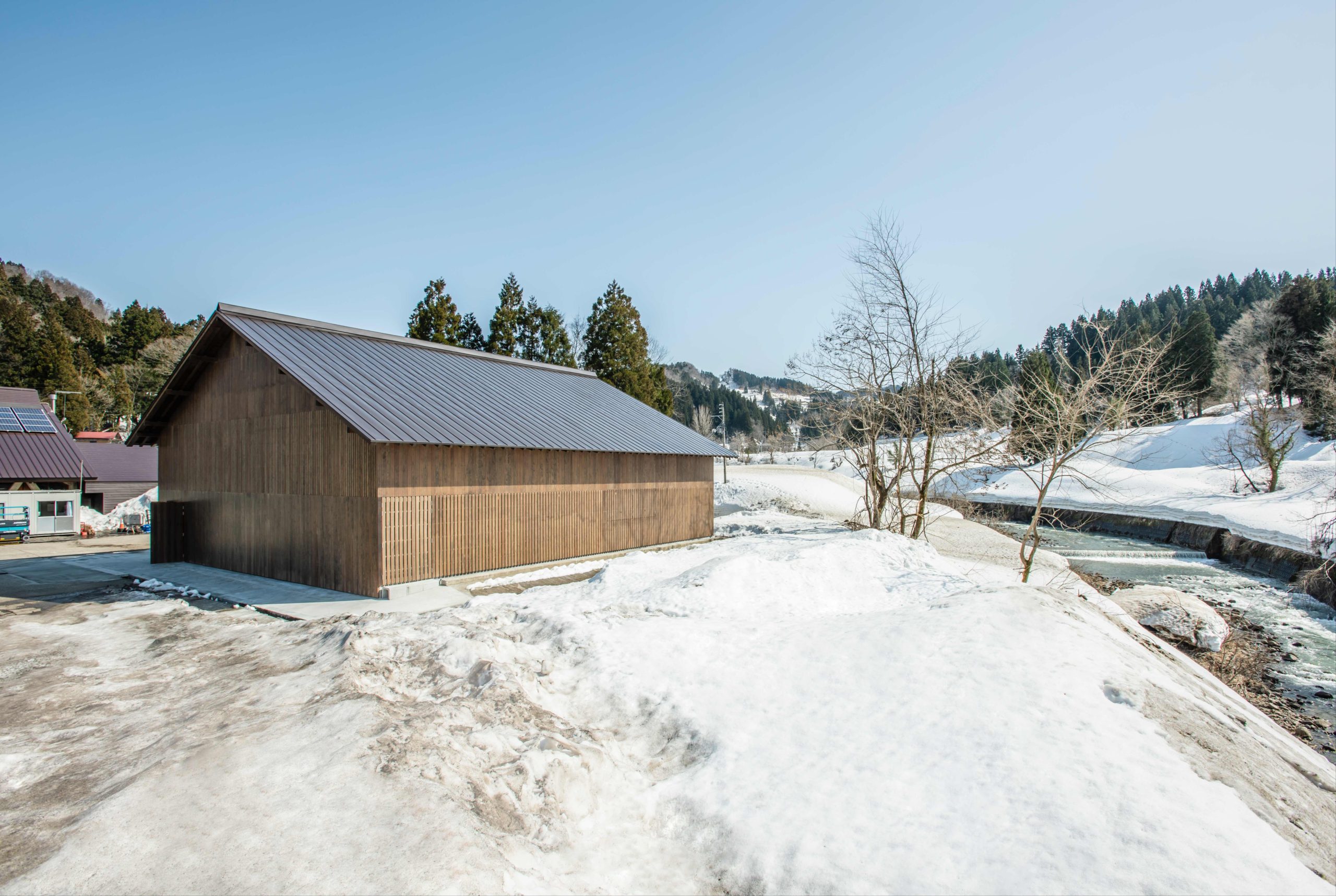
新潟県上越市の安塚というまちにつくられた木造の雪室である。
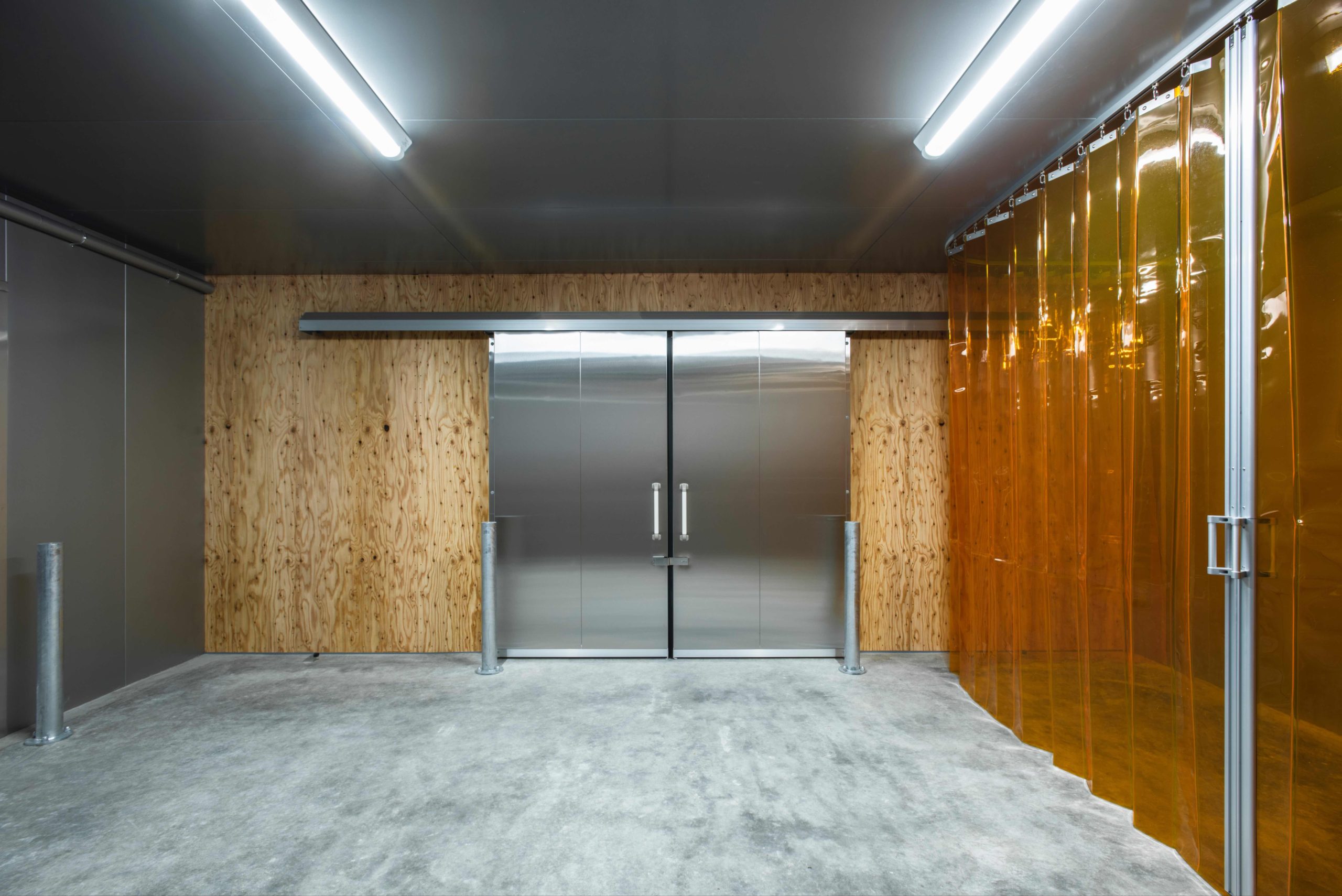
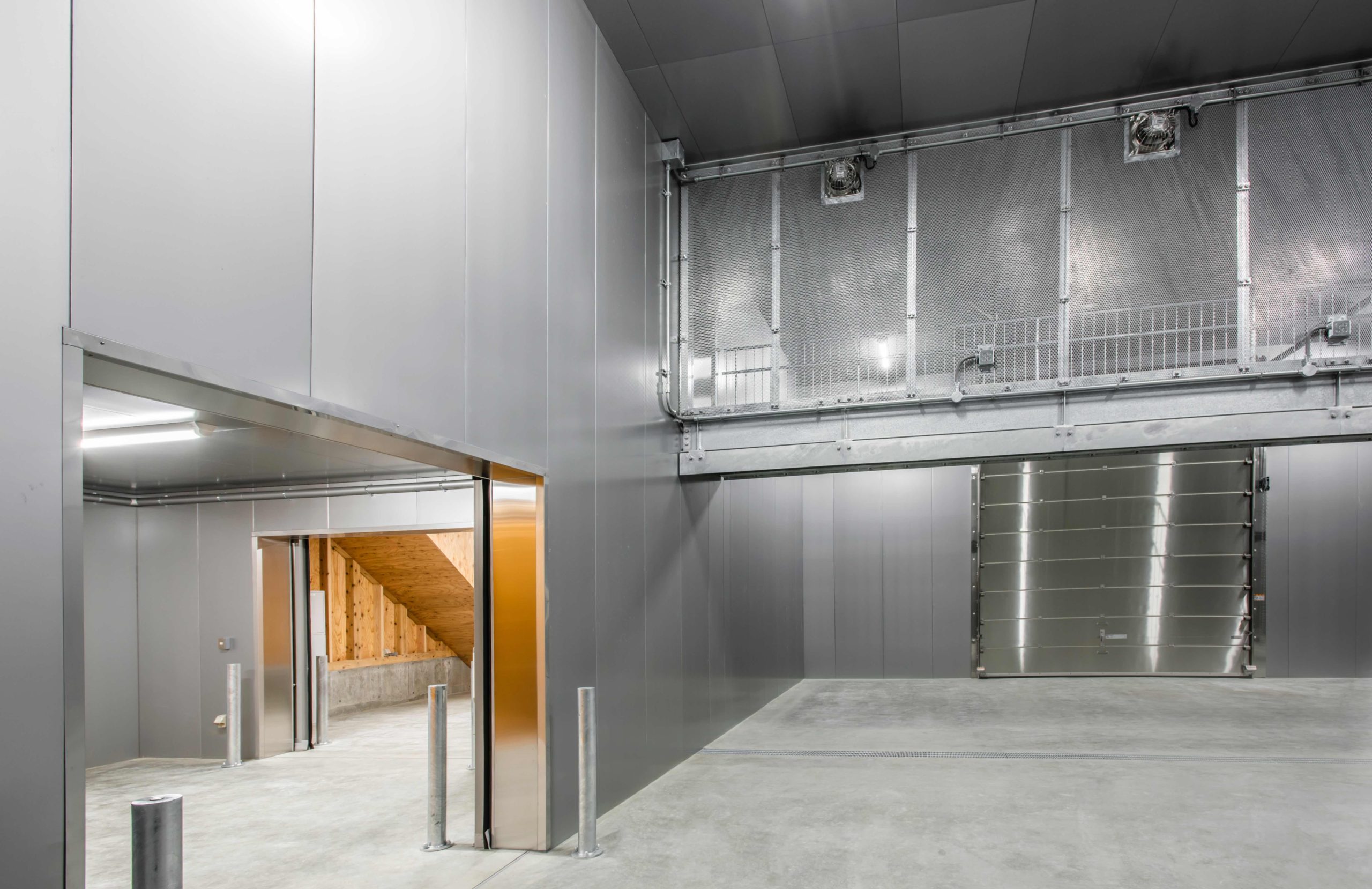
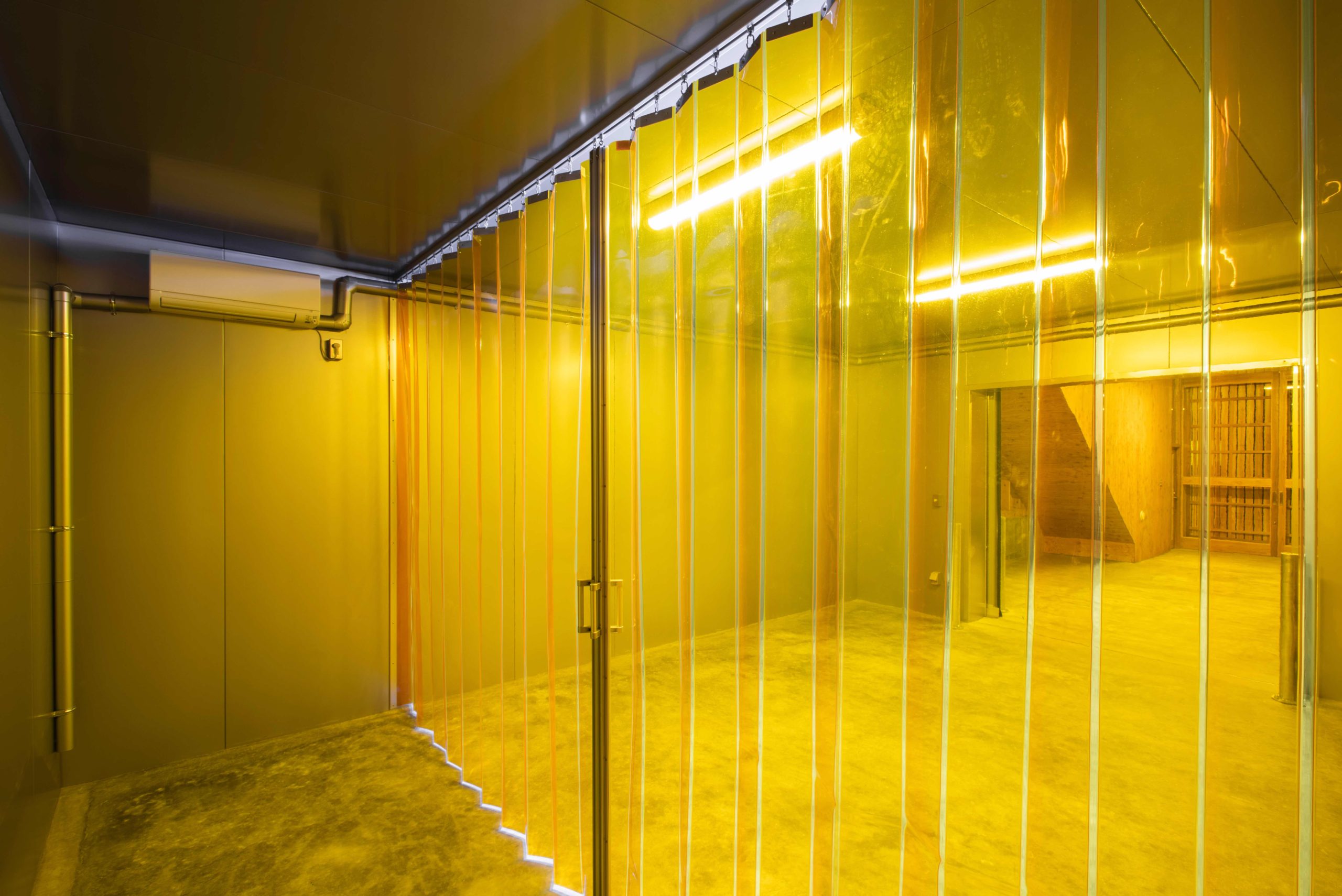
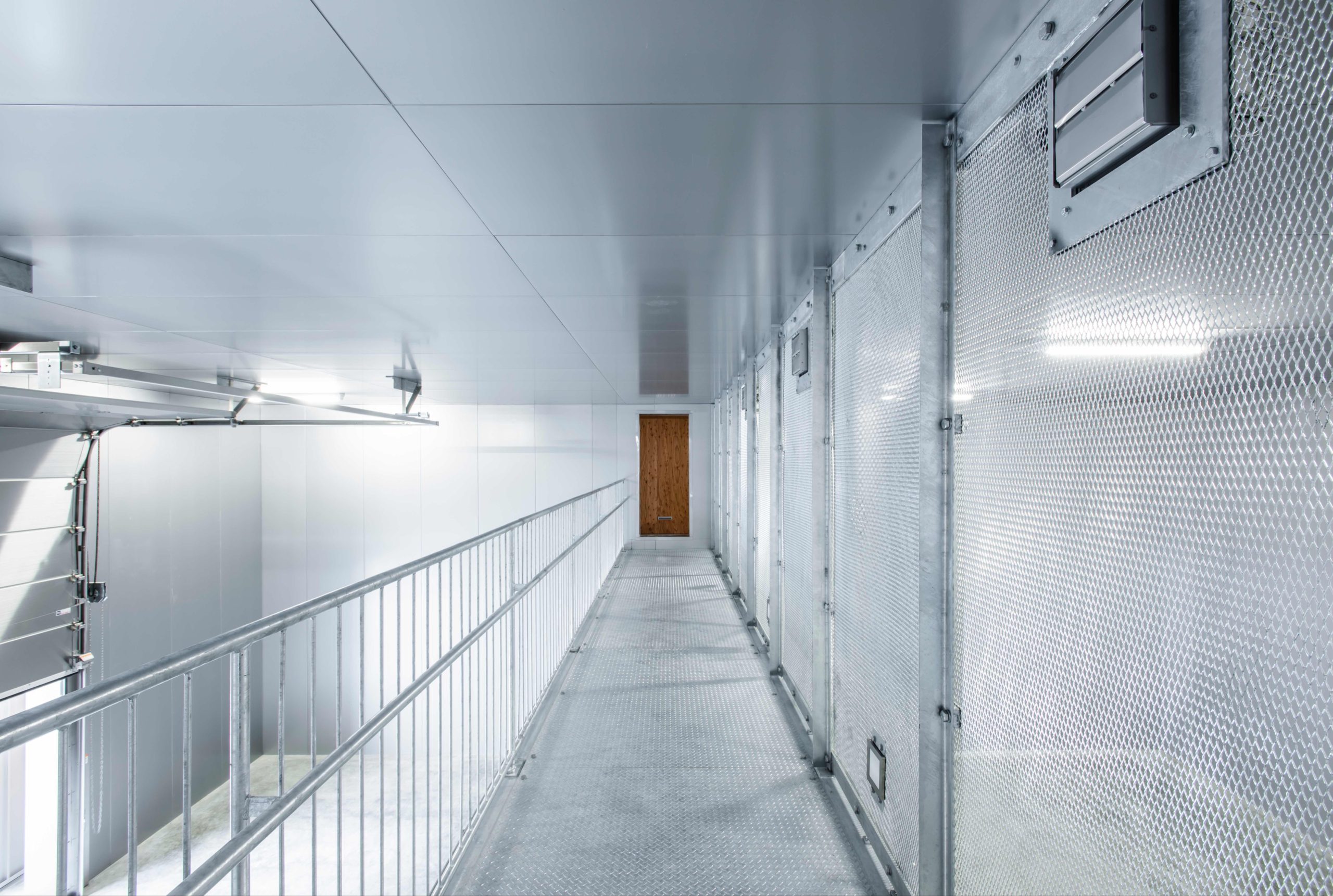
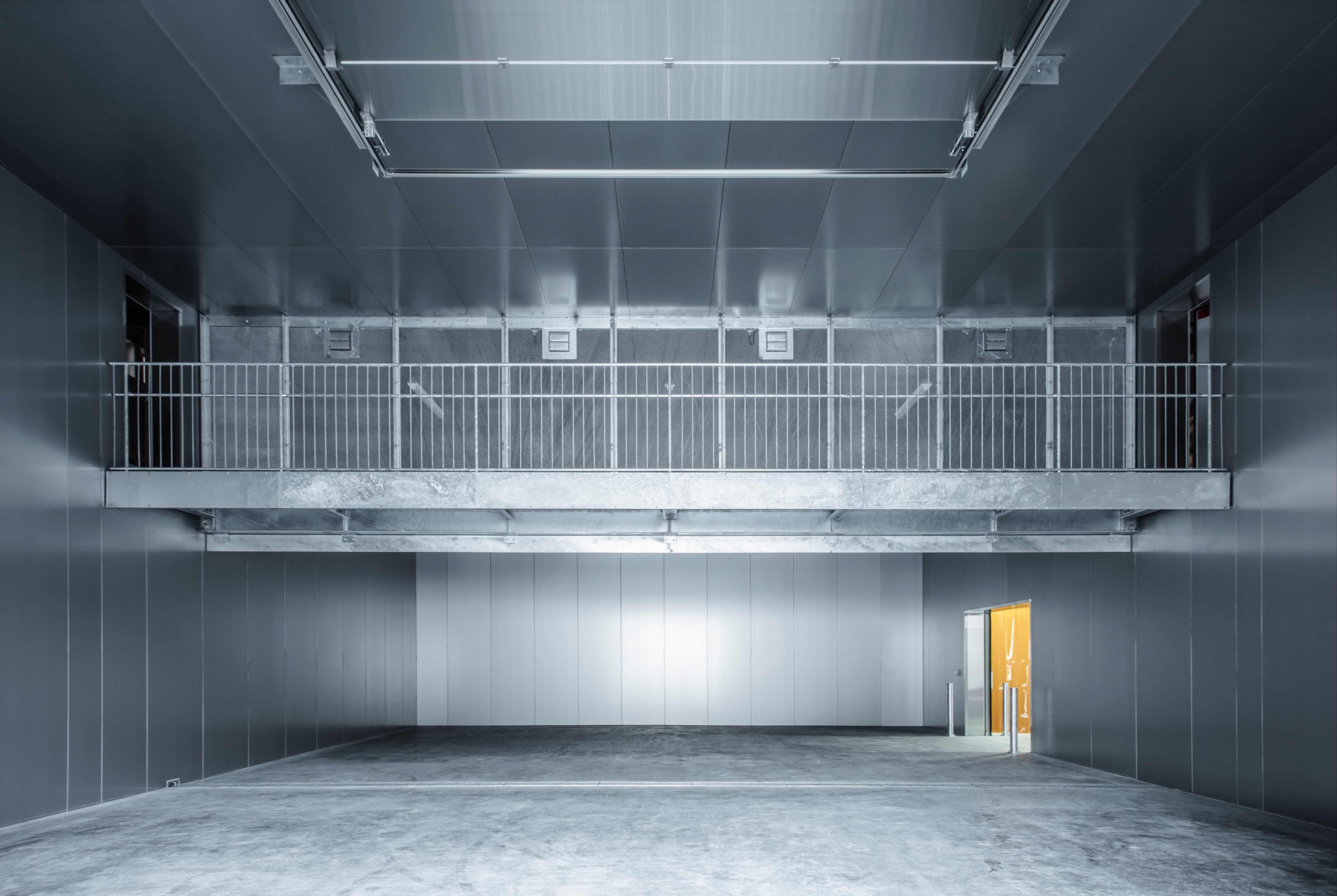
雪室とは雪の冷熱を利用した天然の冷蔵庫であり、今回は市内で収穫した米を主に貯蔵する。農業従事者の高齢化と後継者不足に加え、一般的に棚田の農家は平場の農家より生産性が低く低所得になりがちという課題に対して、棚田の米を雪室貯蔵することで付加価値をつけ、また雪室の一部をギャラリーにして多くの人に雪室の素晴らしさを伝えることで、棚田農家の所得向上に繋げたいというのが上越市の思いである。
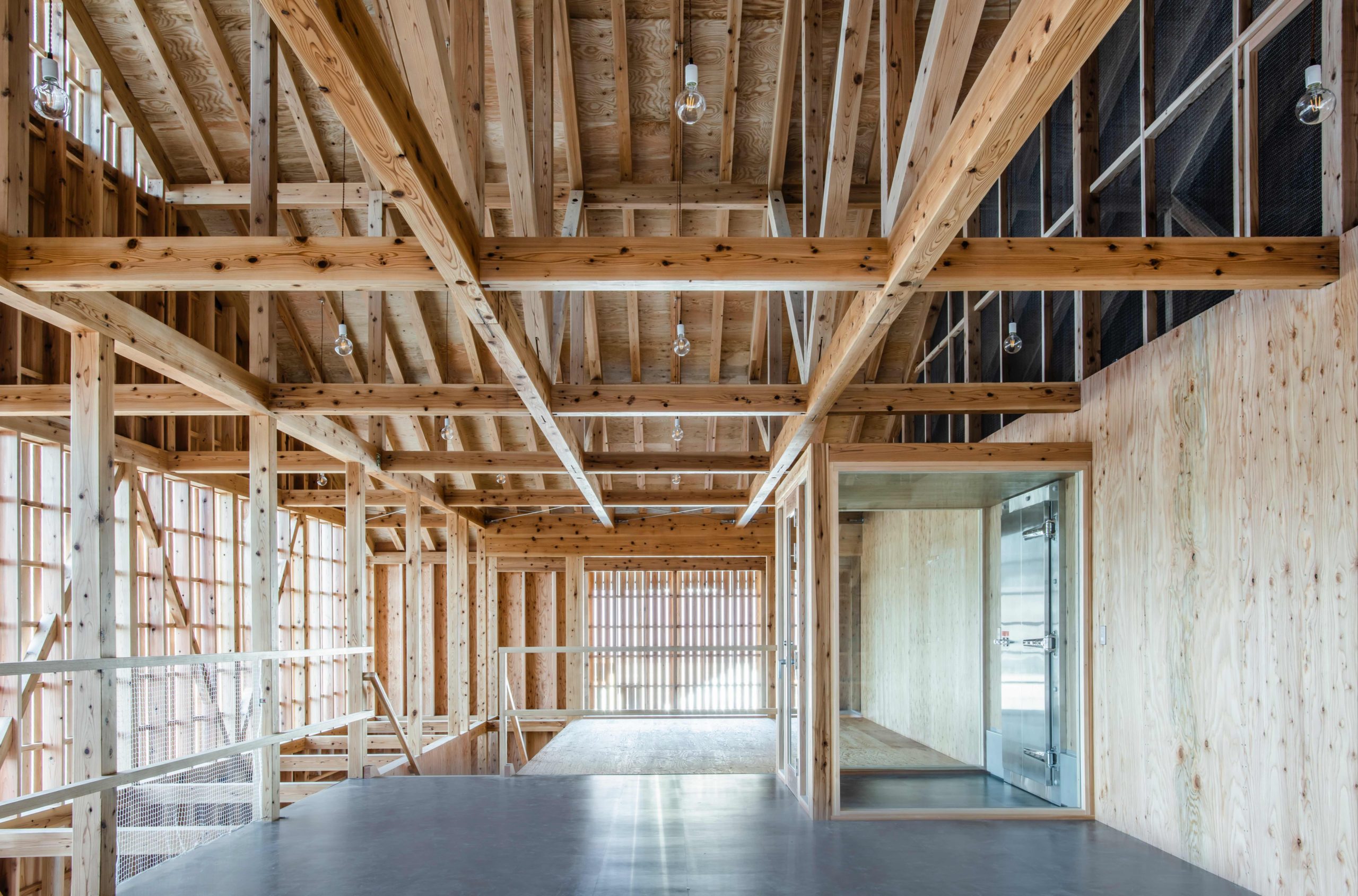
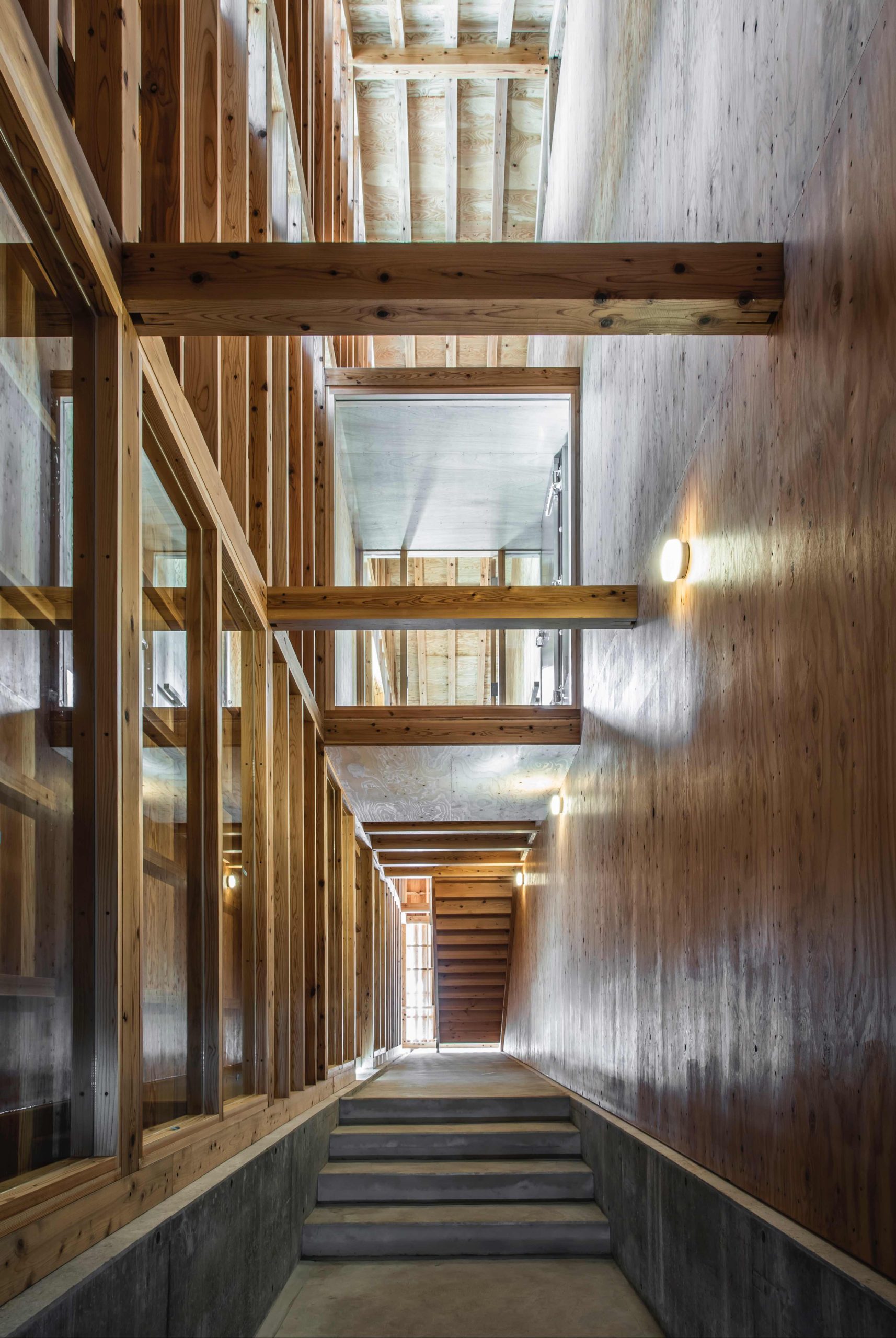
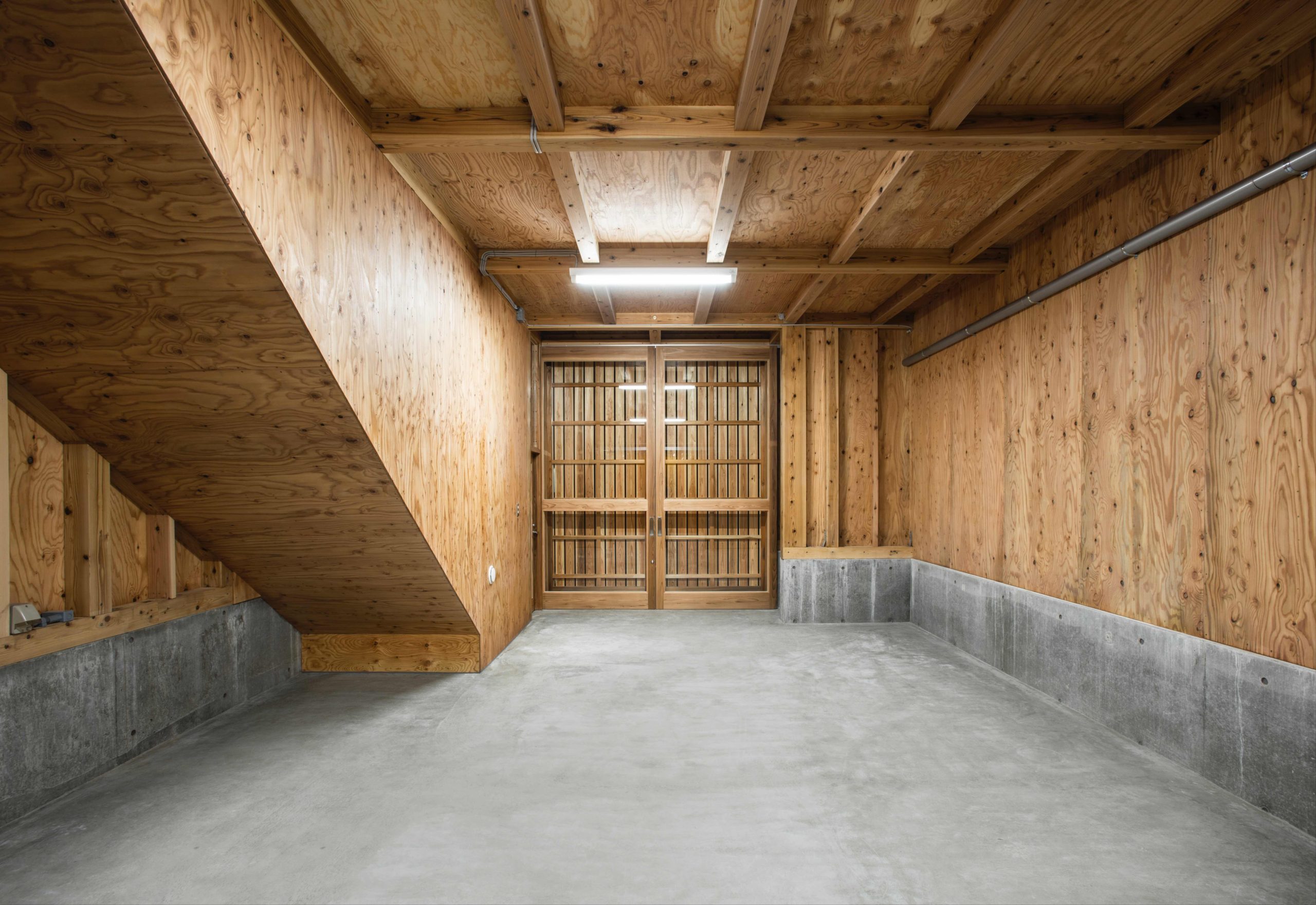
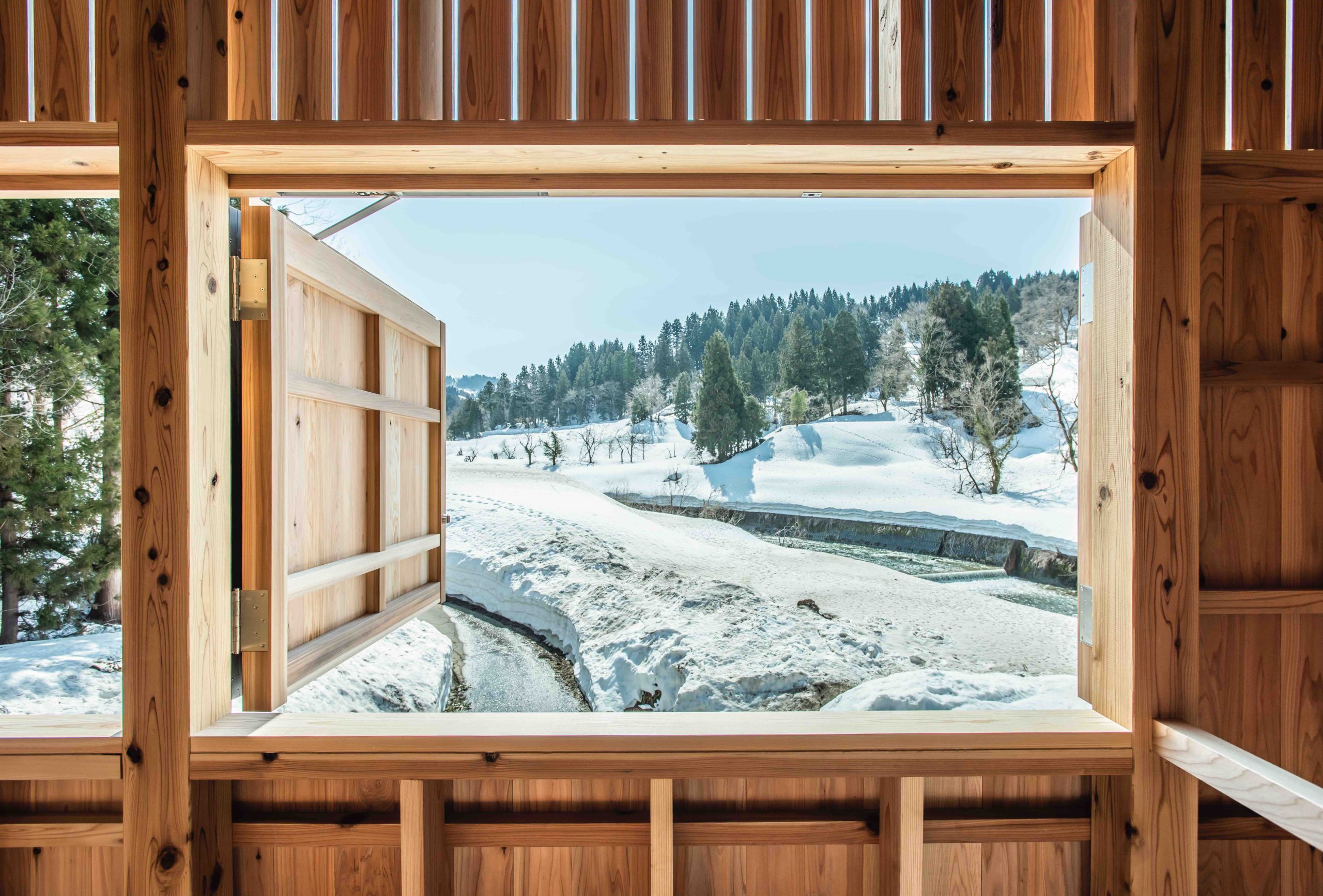
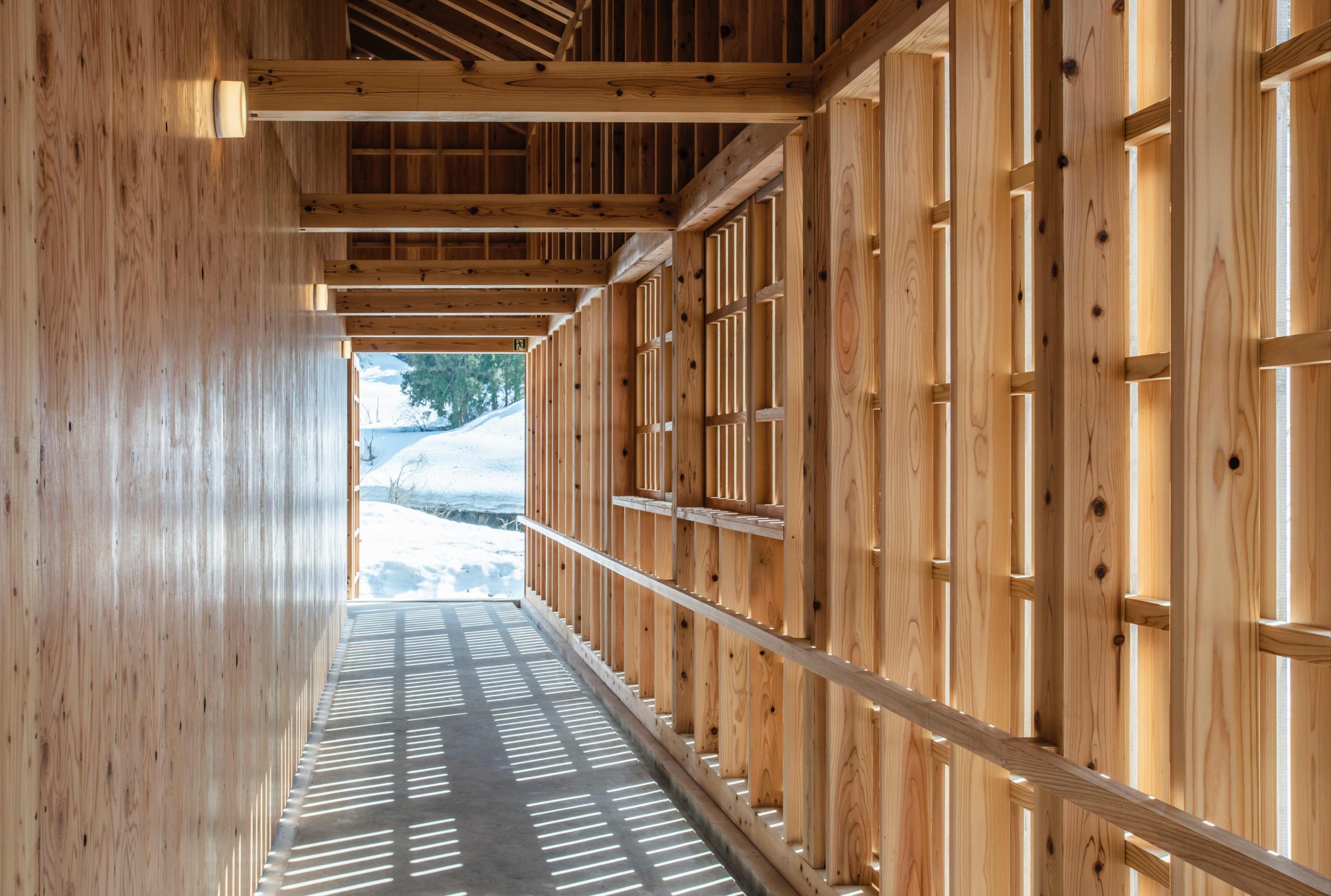
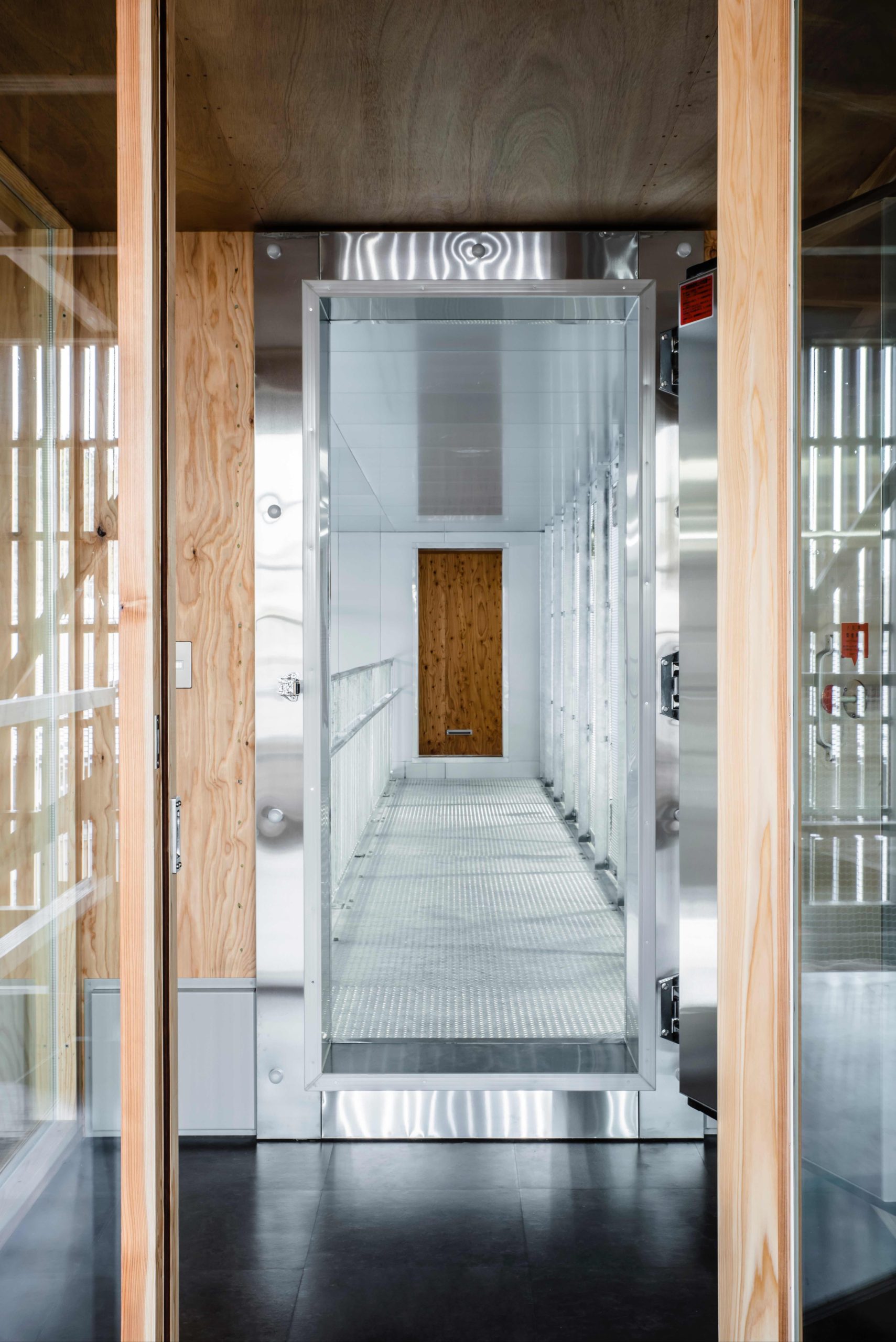
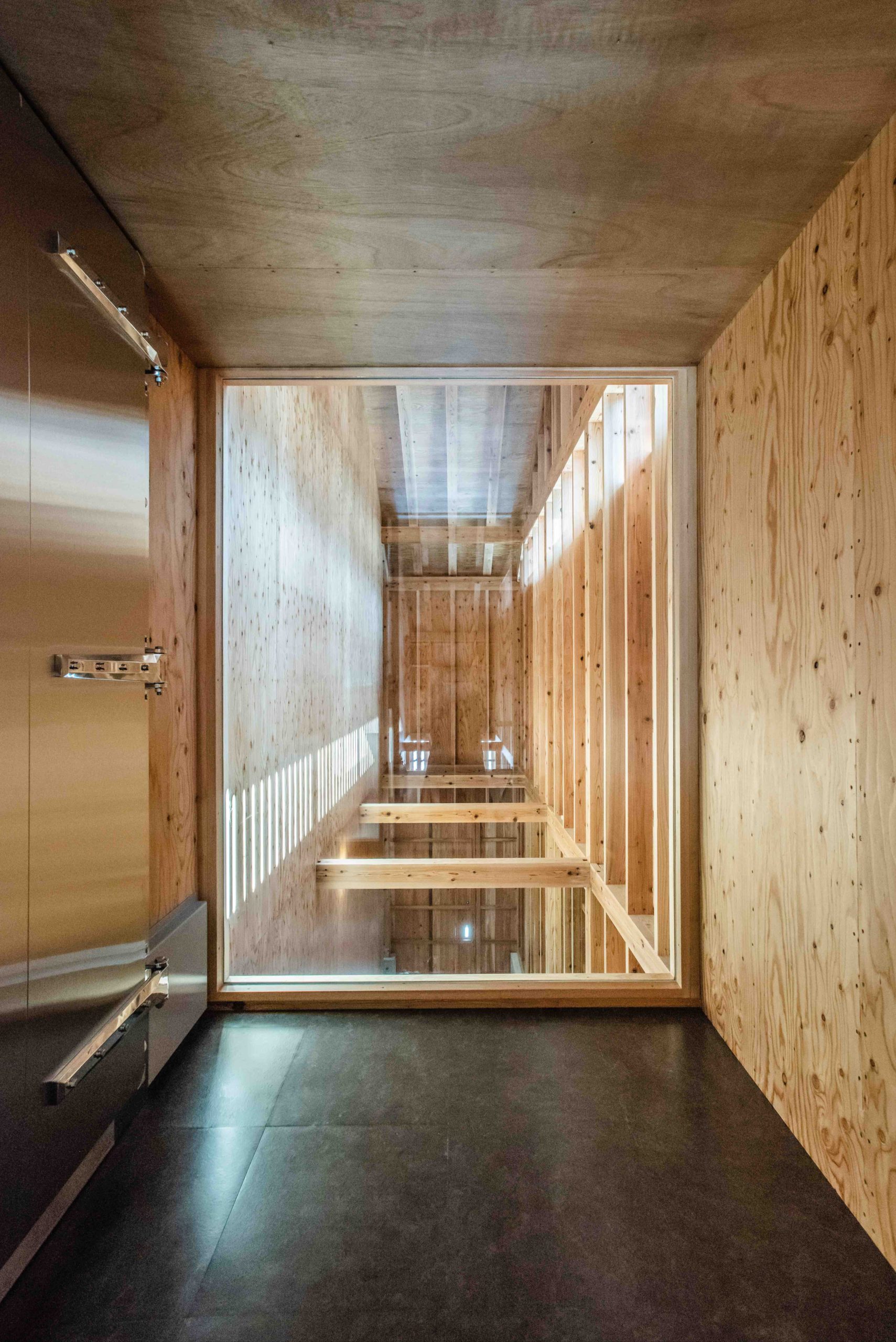
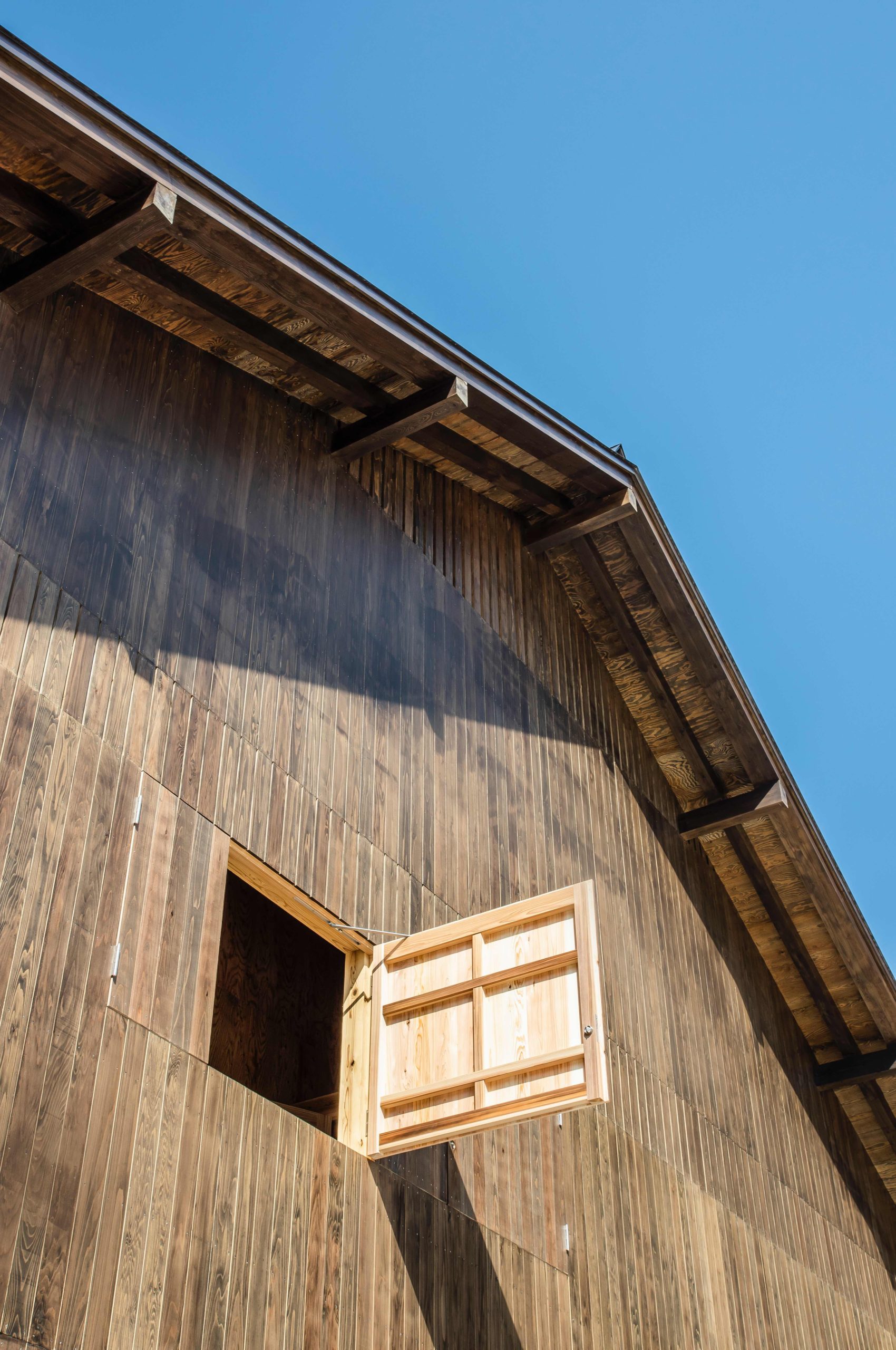
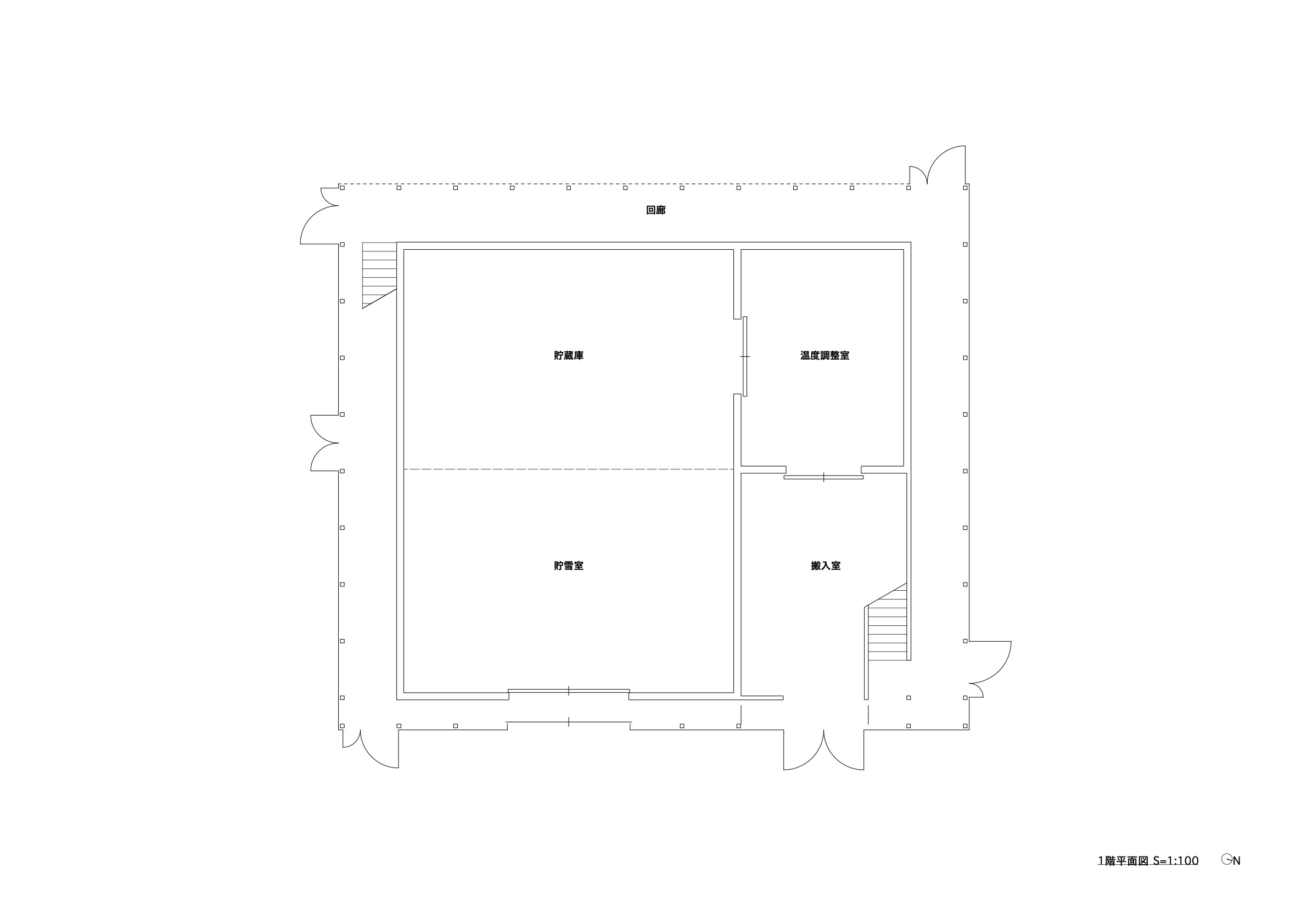
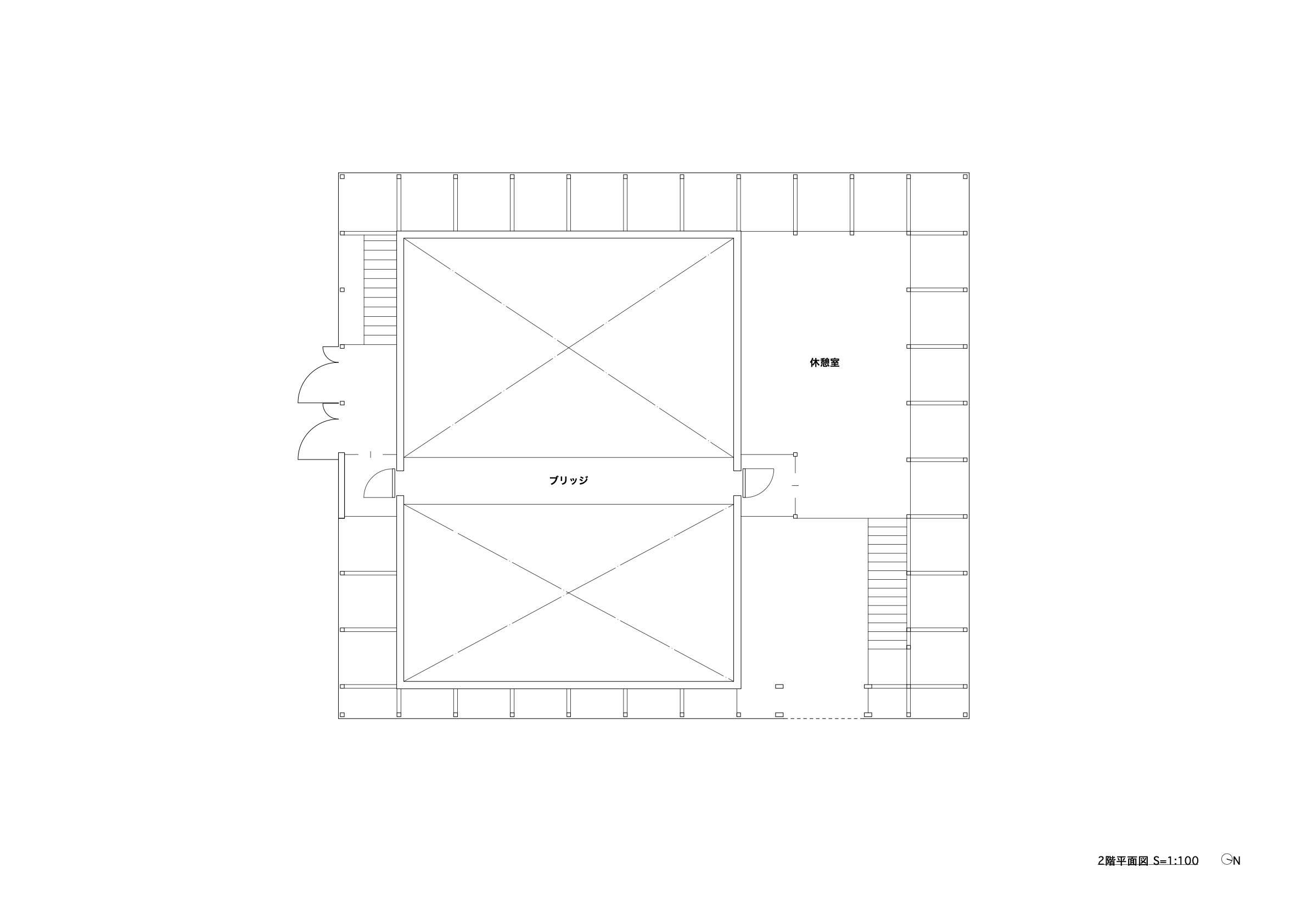
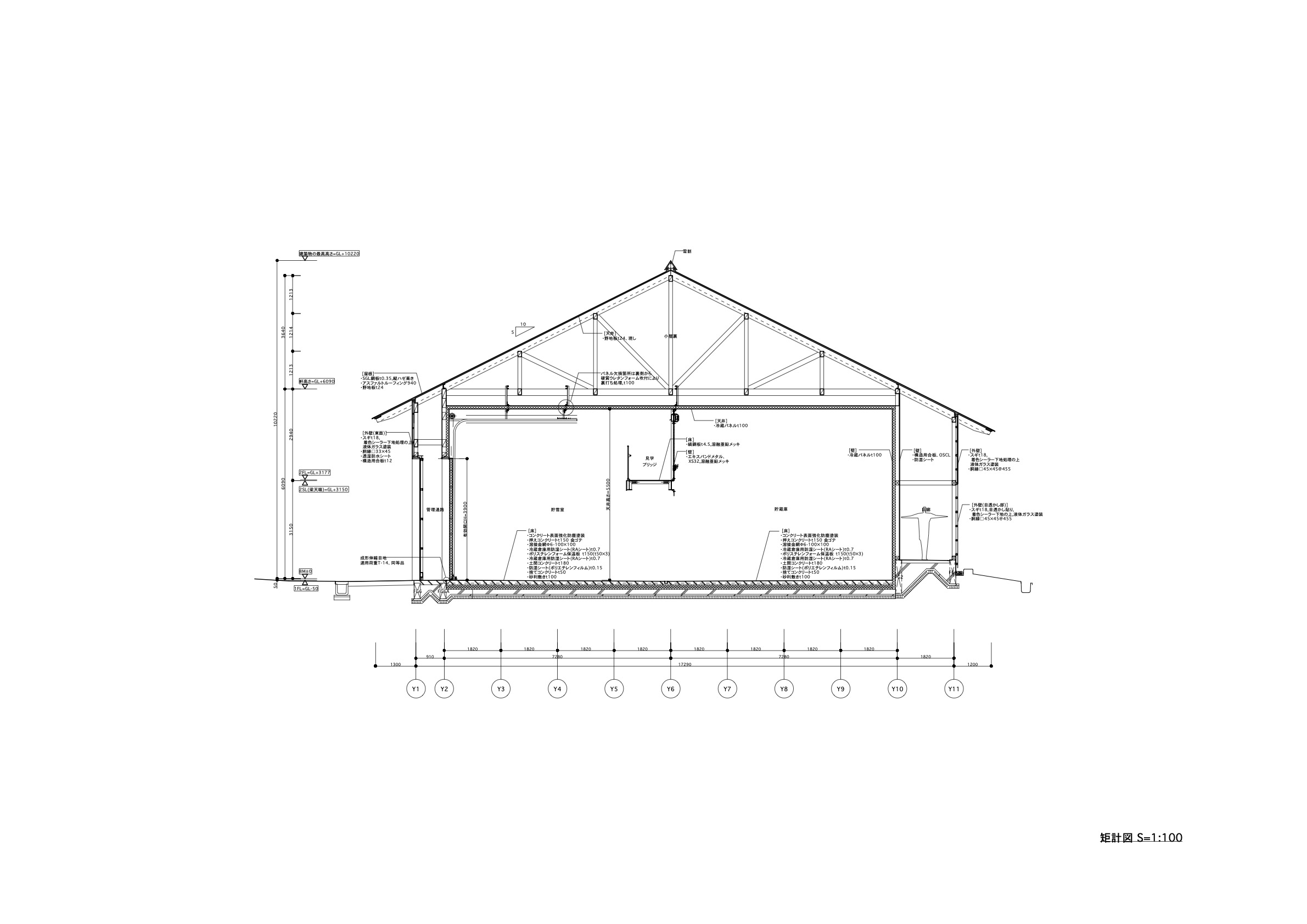
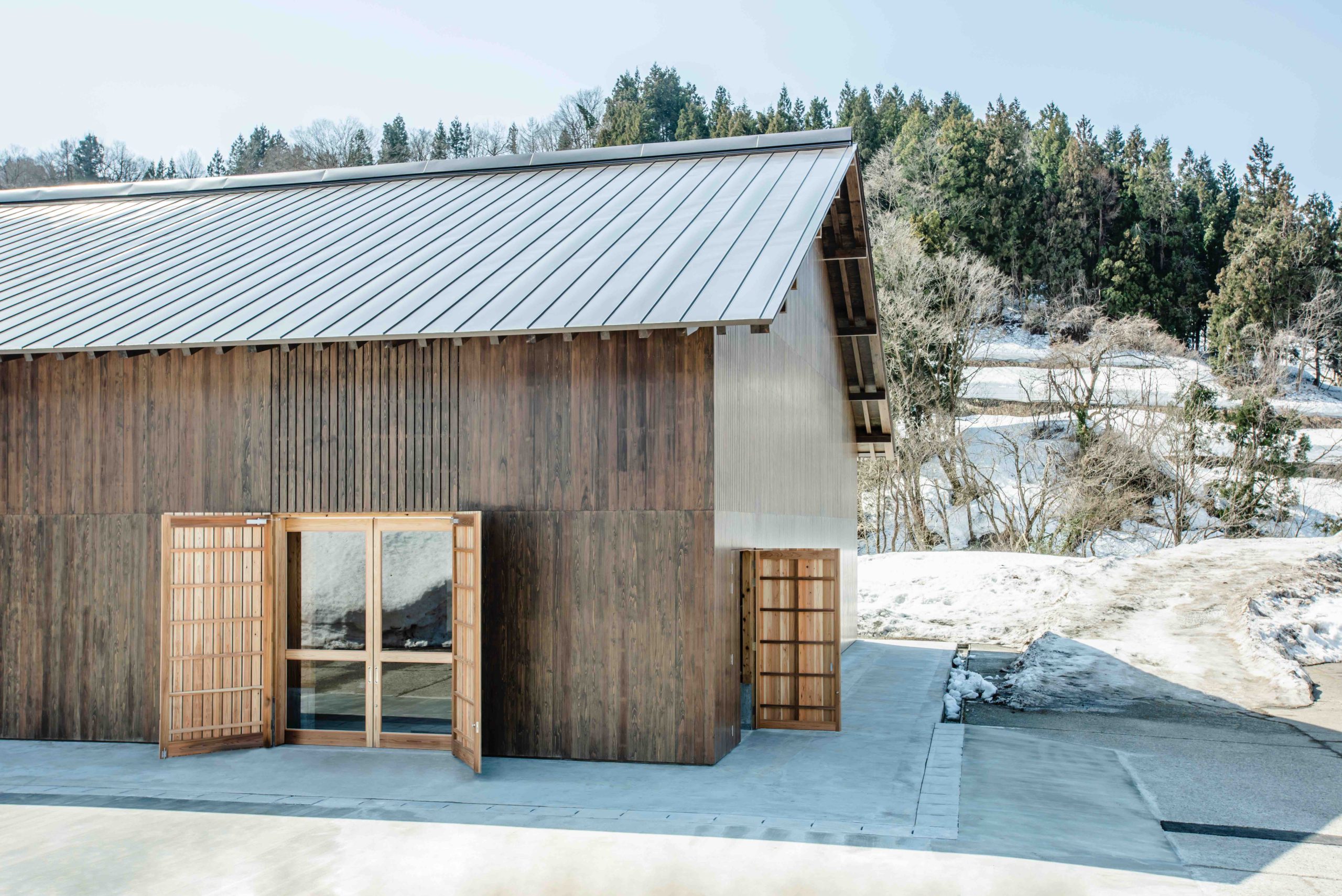
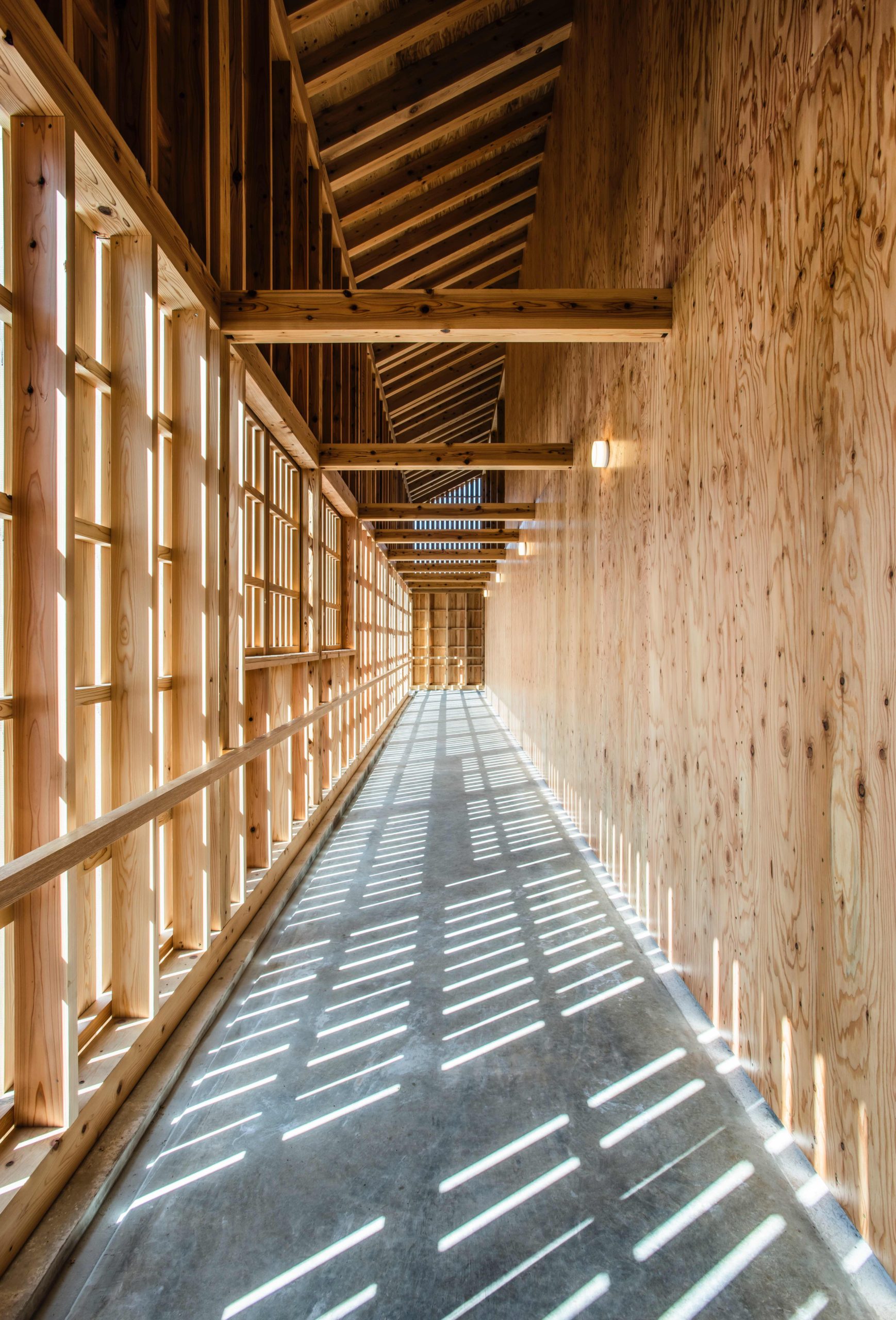
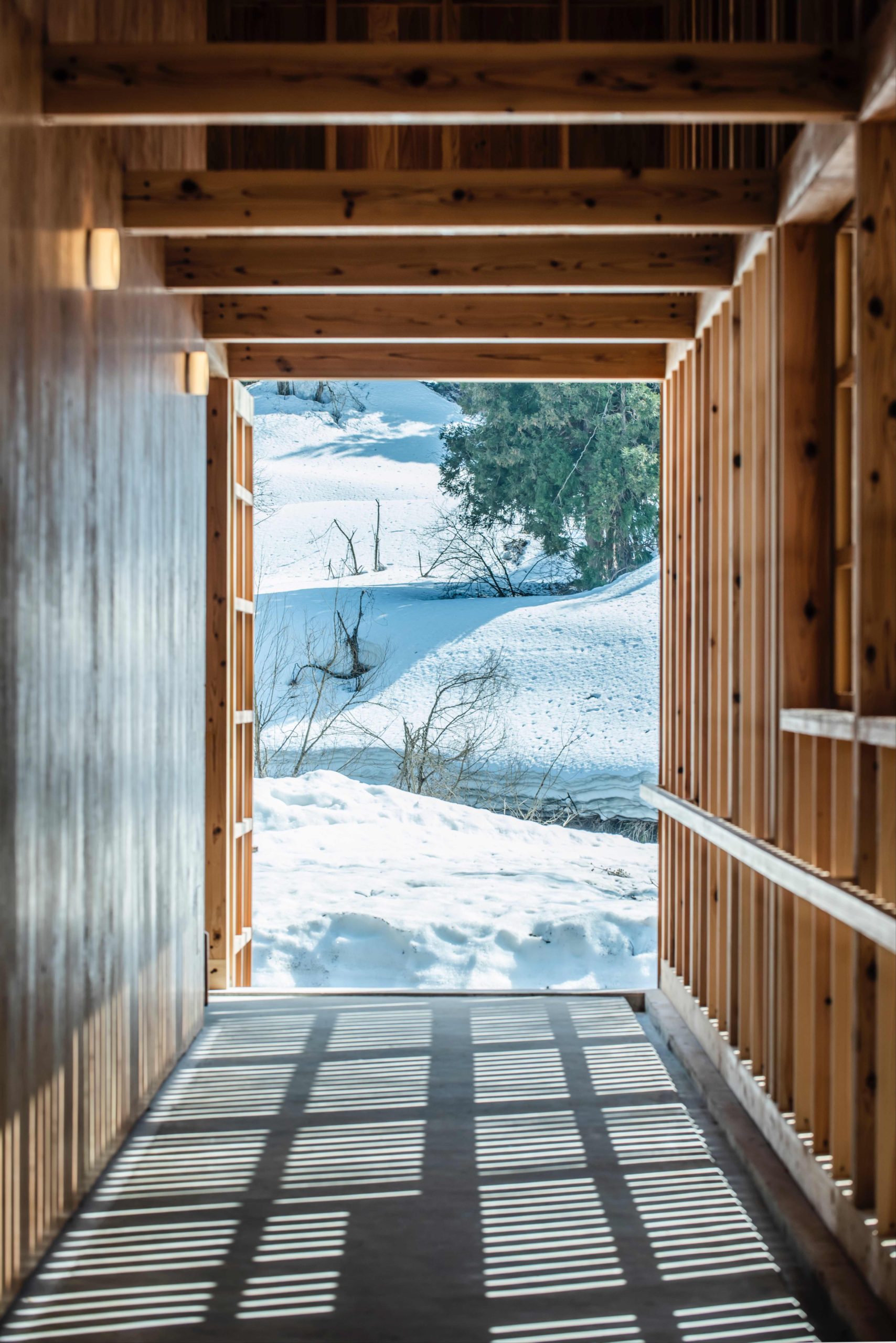
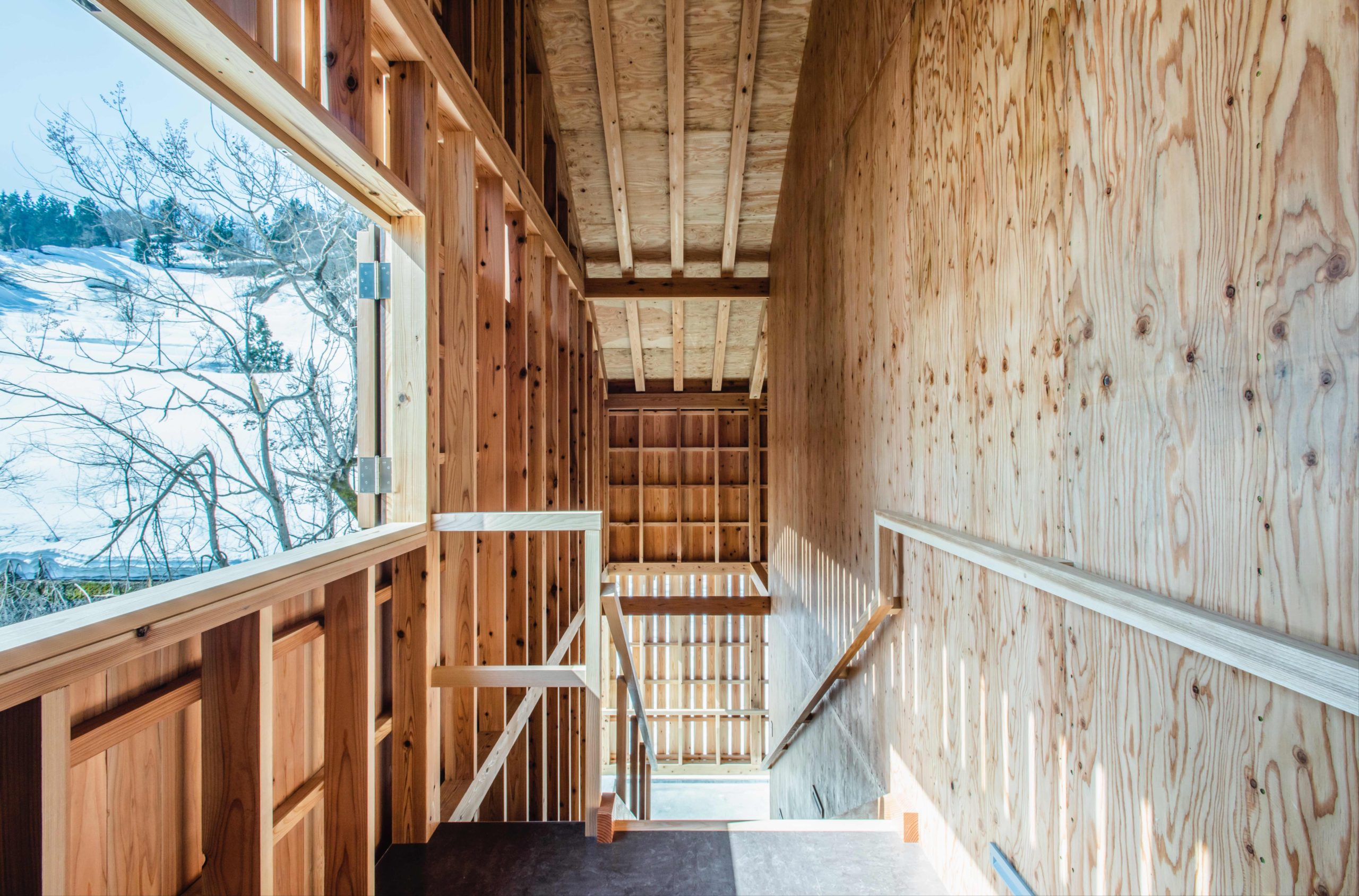
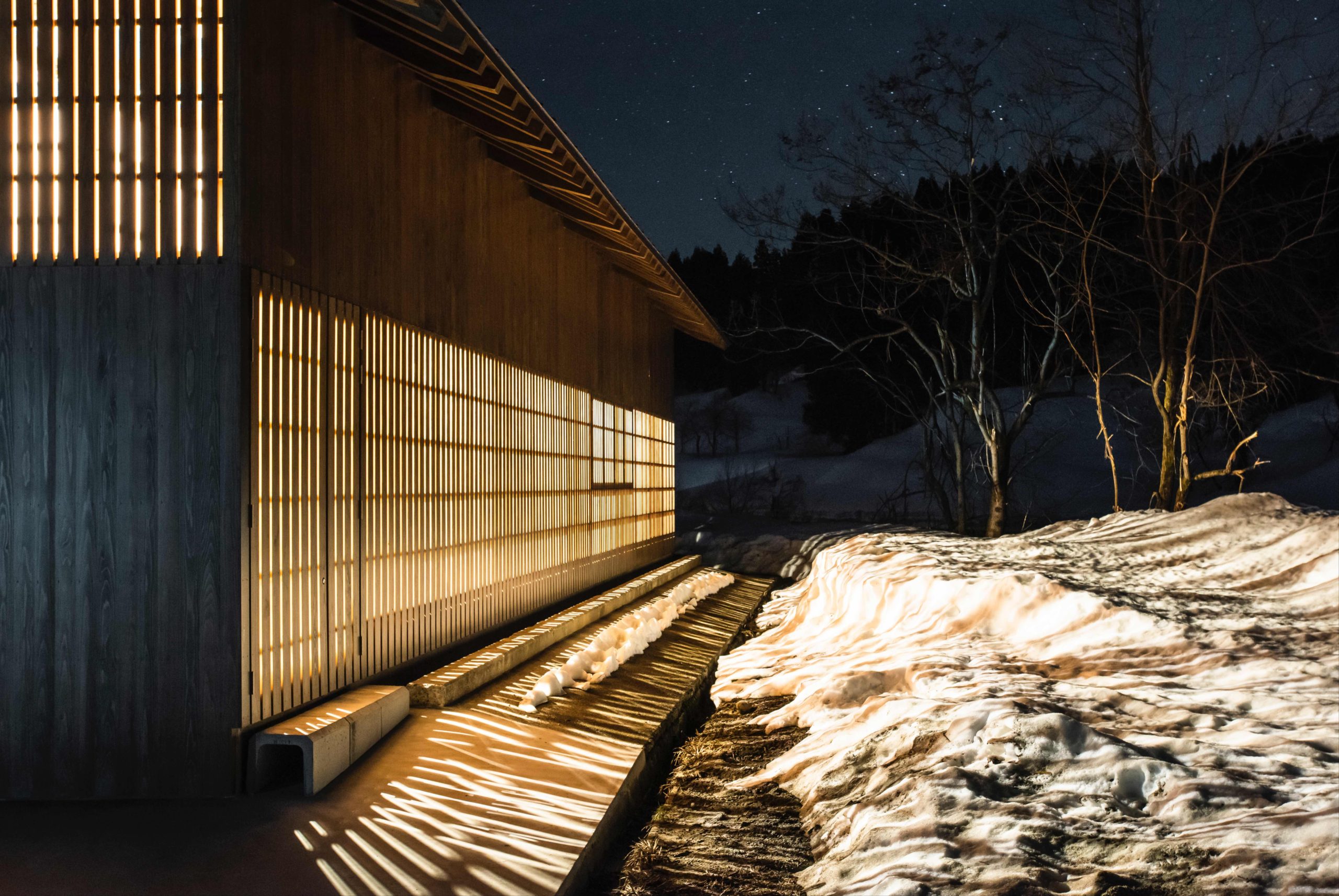
貯雪室内は常に高湿度で、雪圧や雪の挙動で建物が損傷する可能性があるため、鉄筋コンクリート造が選択されるのが一般的であるが、今回は木造として、地域の林業と雪の持続的な関係性を見直すことを目指した。木造で廉価な雪室を実現できれば、農業従事者が新築や改修を問わず、より気軽に雪室をつくることができ、除雪・克雪ではなく利雪の気運が高まり、雪エネルギーの利用促進に繋がる。雪室は性能的に外部に閉じざるを得ない建物である。今回は周囲にぐるりと半屋外の回廊を巡らすことで、来訪者が敷地周辺の魅力を感じられるようにした。例えば冬に排雪場になる地域にとって大切な小黒川の音や鳥の声が聞こえるように外壁の一部を目透かし状にした。また地域住民にとって日常の風景を印象的に切り取る開口を配した。生産者が雪国で農業を営むことに誇りを持てる場所になることを目指した。回廊の外壁は貯雪室を囲む内側の断熱壁への日射を防ぎ、環境負荷を低減するダブルスキンになると同時に、冬期の雪囲いも兼ねる。また回廊の長柱を分割するように補助梁を設けて組柱にすることで、大断面集成材を使わずに、地場のスギの小径材を利用した在来工法で雪室に必要なスパンや天高を確保した。
雪、人、米、木、風、熱など、さまざまな規模や特徴を持つ「循環」が重なる、その重なり合いの風景を、その循環の一部を補完したり、よりよい循環の接点を見つけたりすることで雪室という建物の形にしている。
Forming the Overlapping Cycles
This is a wooden snow storage built in a small town called Yasuzuka in Joetsu City, Niigata Prefecture. The snow storage is a natural refrigerator that utilizes the cold heat of the snow, and this time, rice harvested in the neighborhood will be stored. In addition to the aging of farmers and the lack of successors, farmers in terraced rice paddies in mountainous areas generally have less productivity than farmers on the plain, and tend to have lower incomes. The client Joetsu City aims to improve this situation.
Since the humidity inside the snow storage is always high and the building may be damaged by snow pressure, reinforced concrete construction is usually chosen, but this time, as a wooden structure, the aim was to rethink the sustainable relationship between the local forestry industry and snow. If inexpensive snow storage can be realized, farmers will be able to build snow storages easily, whether newly constructed or renovated, and this will increase the momentum for snow utilization rather than snow removal and snow conquering, and promote the use of snow energy. A snow storage is a building that must be closed to the outside due to its performance. This time, a semi-outdoor corridor was built around the perimeter of the snow storage so that visitors can feel the charm of its surroundings. For example, a portion of the exterior wall is watermarked to allow visitors to hear the sound of the Oguro River and birdsong in an area that is used as a snow disposal site in the winter. For the local residents, openings were placed to capture the scenery of their daily lives in an impressive manner. The aim was to create a place where farmers can take pride in farming in a snow country. The exterior walls of the corridor are double-skinned to reduce environmental impact by preventing solar radiation from reaching the insulated walls surrounding the snow storage, while at the same time serving as a winter snow fence. The long pillars of the corridor are divided by auxiliary beams to form braided pillars, and the span and top height required for the snow storage were secured by conventional construction methods using small-diameter local cedar timbers instead of large-section laminated timbers.
“Circulation” with various scales and characteristics such as snow, people, rice, trees, wind, heat, etc. overlap.The overlapping landscape is shaped into a building called a snow storage by complementing some of these circulations or finding better points of contact of these circulations.
所在地:新潟県上越市安塚区樽田
主要用途:保冷倉庫
建築面積:356㎡
延床面積:458㎡
構造:木造2階建 在来軸組工法
規模:地上2階
構造:平岩構造計画
設備:環境エンジニアリング
アートディレクション:井上さなえ
技術支援:雪だるま財団
施工:サトウ産業
写真:soichiro suizu